

Introduction
Quiet automation is becoming a powerful shift in how legal teams support people during an MVA (Motor Vehicle Accident). Instead of replacing human judgment, automation strengthens it. With the right structure, it lifts the emotional, operational, and service-level standard expected from law firms. This improvement is especially visible in legal intake services, where accuracy, empathy, and speed define whether a potential client receives immediate guidance after a difficult event.
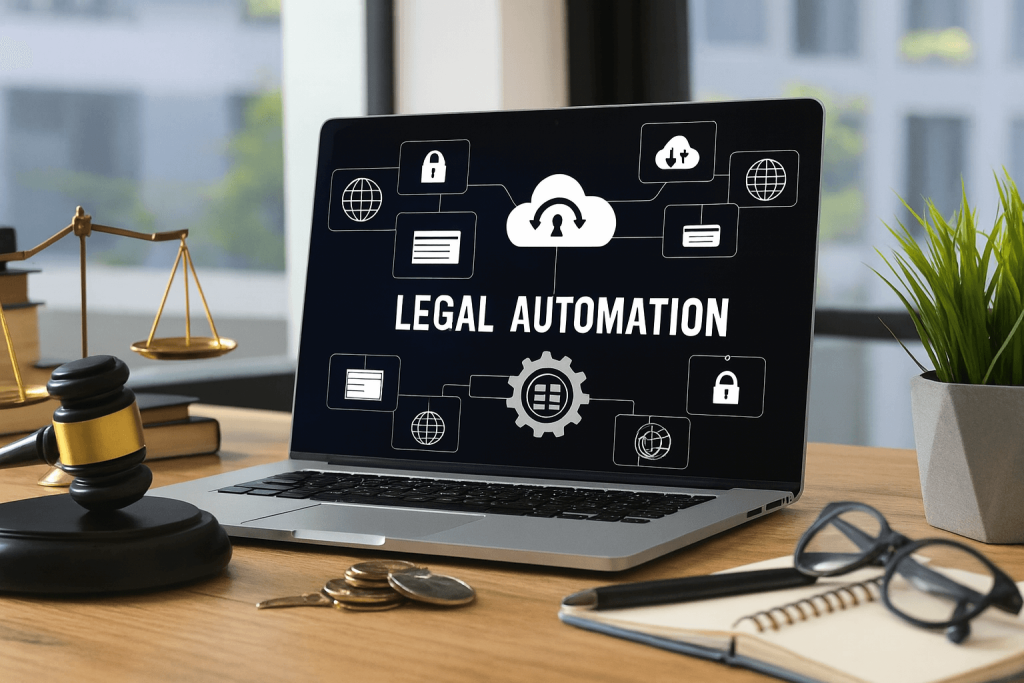
Although technology often appears loud or disruptive, quiet automation works in the background. It creates consistency within the early stages of MVA claim pathways, reduces errors in collecting essential information, and keeps teams focused on people rather than paperwork. It helps law firms understand how it works across their entire funnel because they maintain more visibility and stronger oversight. The result is a smoother process that supports firms and clients equally, raising the human standard where it matters most.
Client Experience Lift Through Legal Intake Services
When someone experiences an MVA, their first contact point with a firm determines whether they feel supported or overwhelmed. Quiet automation rewrites this moment. Instead of long wait times, unclear questions, or missing documents, clients receive a streamlined start that guides them through every step. Intake becomes predictable and responsive, especially when firms handle injuries, disasters, and claim-related calls that arrive unexpectedly.
Additionally, automated routing supports the law and intake teams by assigning cases to the correct specialists. Even though it works behind the scenes, it keeps the process human. Intake professionals communicate with confidence because they receive clear information delivered in real time. As firms review for law firms guidance, they often recognize how calm and structured interactions improve overall satisfaction.
Operational Alignment for Law Firm Call Center Teams
Every law firm call center struggles with volume spikes, especially when accidents occur during peak traffic times. Quiet automation absorbs these fluctuations gracefully. Instead of interrupting workflows, it redistributes calls, organizes client data, and populates essential MVA details into the system automatically. Teams no longer scramble to search for documents or repeat questions. They access everything in one place.
Moreover, disaster-related calls, injury details, and time-sensitive claim notes become easier to capture. Since automation stores every detail neatly, the support team can return attention to human conversations. Even with multiple tasks running at once, transitions between callers feel effortless. And as teams explore how it works within internal training, they recognize the consistency created by these small, quiet improvements.
Workflow Stability Through Professional Legal Intake Services

Professional legal intake services benefit from predictable workflows. Yet unpredictability is common in MVA cases. Sometimes clients remember details later; sometimes they change information; sometimes documents arrive in scattered formats. Quiet automation stabilizes all of this. It ensures nothing gets misplaced, and every update is saved instantly.
Because of this stability, the intake team can offer better injury support, claim clarification, and law-related guidance early on. Additionally, automated summaries highlight what information is complete and what requires follow-up. Rather than creating more work, it protects the client from repeating difficult details and protects the firm from costly omissions. It becomes a seamless balance of order, empathy, and precision.
Quality Structure Through Efficient Call Center Services for Law Firms
Quiet automation increases the structural integrity of every MVA intake cycle. Efficient call center services for law firms depend on reliable systems that reduce manual entry and human error. Automated time-stamps, validation checks, and form assistance transform what was once a tedious process into a guided workflow.
Additionally, the support layer expands. Intake professionals can confidently explain claim pathways, disaster recovery options, and related injury guidance because they are no longer distracted by repetitive tasks. The firm’s standard rises naturally, with more thoughtful attention given to each caller.
Teams that explore schedule demo integrations often find that the quietest features provide the most impactful change. Automation feels less like a system upgrade and more like a professional stabilizer.
Human-Centered Support Through the Best Legal Intake Services for Lawyers

The best legal intake services for lawyers focus on people, not tools. Quiet automation ensures law firms approach every MVA client with compassion, presence, and clarity. By lifting administrative weight, it allows intake agents to slow down and listen. Clients feel acknowledged, especially during emotional or physically painful circumstances.
Additionally, automated reminders, follow-ups, and claim-status updates help maintain clear communication. Clients remain informed without having to ask. The firm’s overall reputation grows stronger because interactions feel smooth and human.
Every automated step still supports the attorney’s professional judgment and service quality. Quiet automation becomes the framework that protects the firm’s consistency.
Outsource Legal Intake Improvement
Quiet automation is not a trend; it is a structural improvement that strengthens every part of the MVA intake journey. If your firm wants smoother processes, faster responses, and human-centered interactions, now is the time to outsource legal intake solutions that modernize your workflow while keeping empathy at the core.
Explore how we support you, streamline your intake experience, and raise your firm’s human standard. Connect with our team through contact us for customized guidance.