

Awareness Before the First Mile
Every trip begins with choices that often go unnoticed. Before engines warm and wheels turn, attention already matters. Safer driving does not start at high speed or sharp turns. Instead, it begins with awareness that stays active from the first mile to the last.
Drivers who remain alert notice patterns earlier. For example, traffic flow, brake lights, and subtle lane changes signal what may happen next. Because of this, scanning the road continuously helps reduce sudden reactions. When awareness stays high, reaction time improves naturally.
Distractions break this rhythm quickly. Phones, notifications, and even casual multitasking reduce focus. Although many distractions feel small, their effect adds up fast. Therefore, minimizing them creates more mental space for decision making.
This mindset matters even more when driving daily routes. Familiar roads often lower attention. However, conditions change every day. Construction, weather, and other drivers shift without warning. Staying mentally present helps drivers adjust before risk appears.
Within this space of prevention, MVAagents exist as part of a broader system that values preparedness over reaction. While support matters after incidents, prevention always starts behind the wheel.
Road Behavior That Supports Safer Outcomes
Safer driving depends on how a driver behaves in changing conditions. Speed alone does not define risk. Instead, judgment, spacing, and consistency shape outcomes more often.
Maintaining safe distance creates time to respond. When space increases, options increase too. Sudden stops become manageable rather than dangerous. Because of that, following distance remains one of the most effective safety habits.
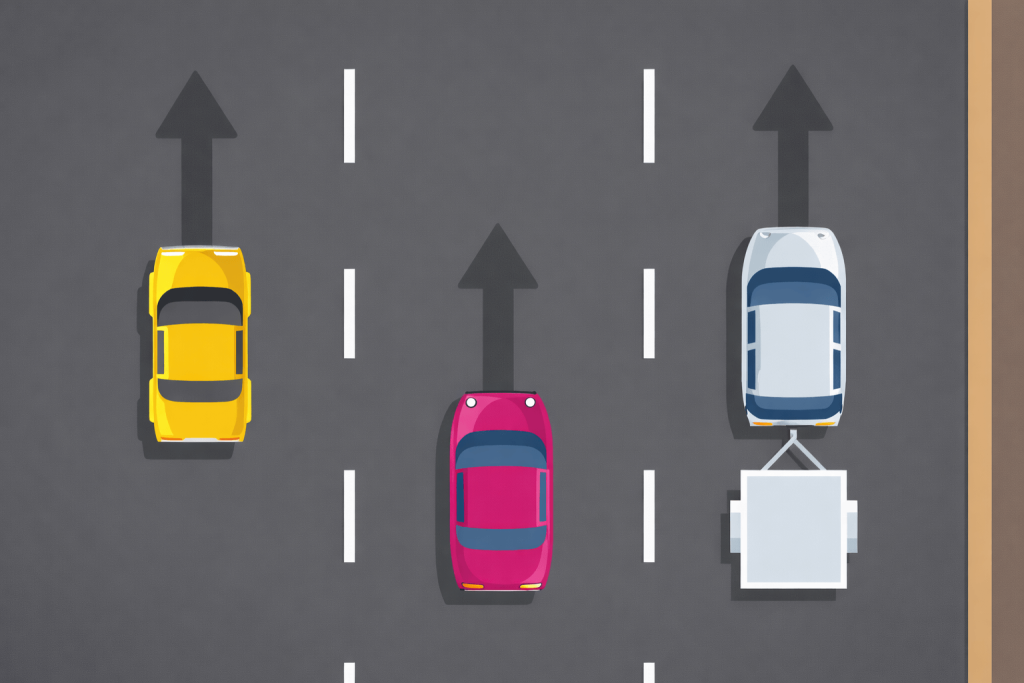
Lane discipline also matters. Staying predictable helps others anticipate movement. Signaling early, maintaining steady speed, and avoiding abrupt changes reduce confusion around you. As a result, the road feels more controlled for everyone.
Weather plays a strong role as well. Rain, fog, and glare change braking and visibility. Adjusting speed early prevents loss of control later. Even slight reductions can make a major difference.
These habits align with broader safety education often discussed legal practices that focus on prevention, documentation, and awareness. While legal systems respond after incidents, safer road behavior lowers the chance those systems are ever needed.
Consistency, patience, and awareness work together to reduce risk before it forms.
Mental Readiness and Emotional Control

Driving requires more than technical skill. Mental readiness shapes how drivers respond under pressure. Stress, fatigue, and emotion all influence judgment in subtle ways.
Fatigue reduces reaction speed. Even mild tiredness affects focus. Therefore, recognizing early signs matters. Short breaks, hydration, and fresh air help restore clarity before risk increases.
Emotional driving creates similar problems. Anger, urgency, or frustration narrow attention. As emotions rise, awareness falls. Slowing down and creating distance helps regain control.
Transitions between tasks also affect readiness. Leaving work, rushing to appointments, or multitasking mentally while driving reduces focus. Taking a moment before driving helps reset attention.
These factors often appear in discussions about roadway safety and prevention education. They also connect indirectly to systems that explain what to expect when incidents occur. Prevention reduces stress for everyone involved, including drivers and professionals who support them later.
Mental readiness protects not only the driver, but everyone sharing the road.
Why Prevention Still Connects to Legal Intake

Although prevention focuses on avoiding accidents, preparation still matters. Even careful drivers share the road with unpredictable behavior. Knowing support exists creates confidence rather than fear.
Many professionals rely on legal intake services to manage clarity when incidents happen. These systems depend on accurate habits, awareness, and calm communication. Prevention strengthens those outcomes indirectly.
A law firm call center often relies on clean timelines and clear details. Safer driving habits reduce severity and confusion when incidents occur. That connection often goes unnoticed, yet it remains important.
Some firms choose to outsource legal intake to maintain consistency. Others depend on a reliable legal intake call center for structured response. All of these systems benefit when drivers stay aware and prepared.
Understanding prevention does not replace legal support. Instead, it complements it. Prevention reduces frequency, while intake systems manage clarity when needed.
Prepared drivers think clearly. Clear thinking supports better outcomes across the board.
A Smarter Way Forward
Safer driving grows from small choices made consistently. Awareness, spacing, mental readiness, and adaptability reduce risk long before danger appears.
While 24/7 legal intake services exist to support response, prevention remains the strongest tool drivers have. Every mile offers an opportunity to reduce risk through attention and calm judgment.
If you want to understand more about preparation, prevention, and professional support, now is a good time to explore options. You can learn more about systems built for law firms and legal practices, or discover how it works and what to expect when structured intake matters.
When the road feels unpredictable, preparation provides clarity. MVAagents supports that clarity by helping law firms stay ready, informed, and responsive when prevention is not enough.
If you would like to learn more, reach out today and take the next step toward safer outcomes for everyone involved.